Welcome to Jiangsu Ruilong Energy Technology
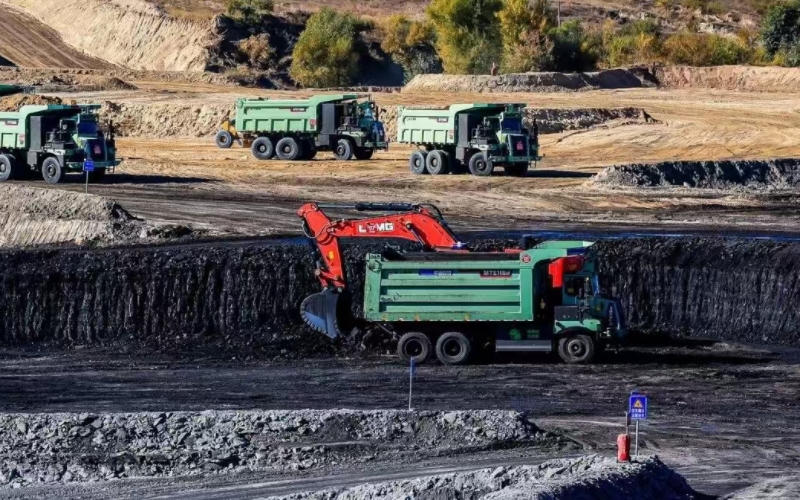
Media Spotlight: Ultra-Fast-Charging LGMG Mining Trucks Distributed by Our Company
China's green mining initiatives and carbon reduction goals are accelerating the transformation of mine energy systems, shifting from conventional diesel and grid electricity toward renewable power and intelligent microgrids. Electrification is becoming an important direction for mining equipment, but electrifying individual vehicles alone cannot address the broader energy challenges facing mines. Solving charging bottlenecks requires coordination across the entire chain, from photovoltaic power generation and energy storage to ultra-fast charging and mining trucks.
For years, slow charging, inefficient energy replenishment and insufficient equipment availability have constrained the large-scale adoption of electric mining trucks. The underlying challenges include remote mine locations, extreme operating environments and significant differences in energy costs. According to the figures cited in the original report, more than 80% of mining areas are over 200 km from the main power grid, while some operations above 3,000 m in altitude face particularly demanding conditions. The reported cost of diesel-generated electricity is approximately RMB 2.5 per kWh, compared with around RMB 0.2 per kWh for green electricity.
These challenges highlight the need to move beyond simply replacing diesel engines with electric power and toward using renewable electricity to reduce diesel consumption. Integrated solar-storage-charging microgrids offer a more comprehensive approach than standalone charging stations.
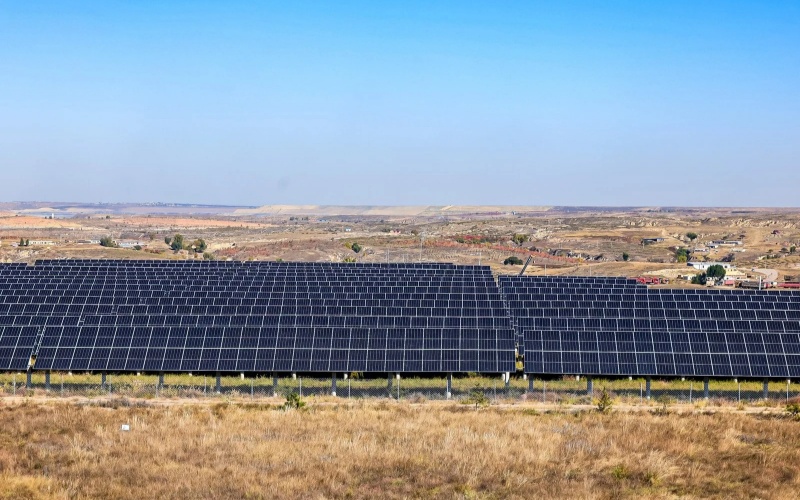
An Integrated Solution Connecting Solar Power, Storage, Charging and Mining Transport
At LGMG's Global Mining Customer Service Festival, Chen Junchen, Vice President of Sente Co., Ltd., presented a report titled Development Trends in Smart Mining Microgrids. The report described an integrated approach built around four core elements: LONGi HPBC/BC photovoltaic modules designed for low-light conditions, Sente's full-stack self-developed 5S solar-storage integration technology, a megawatt-level fully liquid-cooled ultra-fast charging system, and LGMG new-energy mining trucks.
Supported by Sente Cloud, an energy management cloud platform, the solution connects photovoltaic generation, energy storage, ultra-fast charging and low-carbon mining transport into an integrated energy chain. The objective is to coordinate energy supply and vehicle operations so that available renewable energy can be used more effectively to support continuous mining transport.
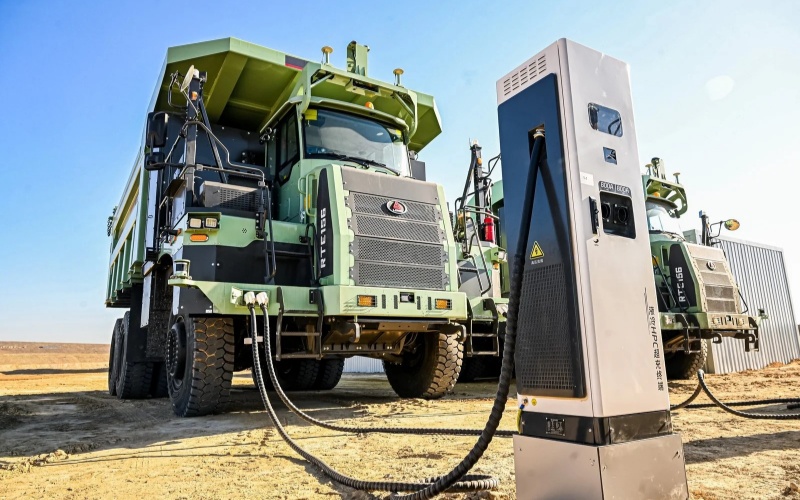
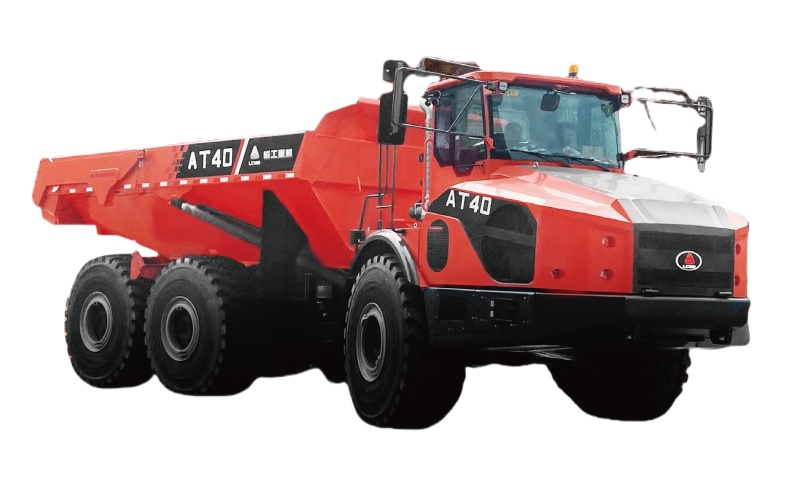
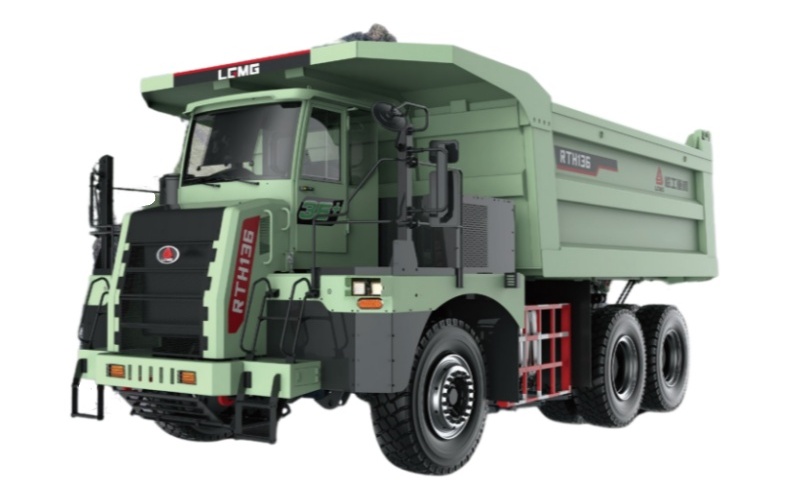
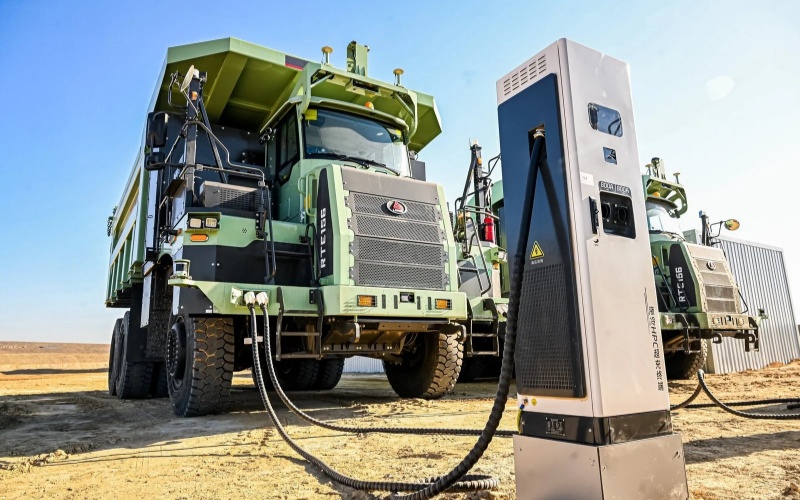
The ultra-fast-charging LGMG new-energy mining trucks distributed by our company are part of this wider equipment transition. The technology described by LGMG combines a 3C super-fast-charging architecture with high-density, high-capacity batteries and a dedicated thermal management system designed for different operating scenarios.
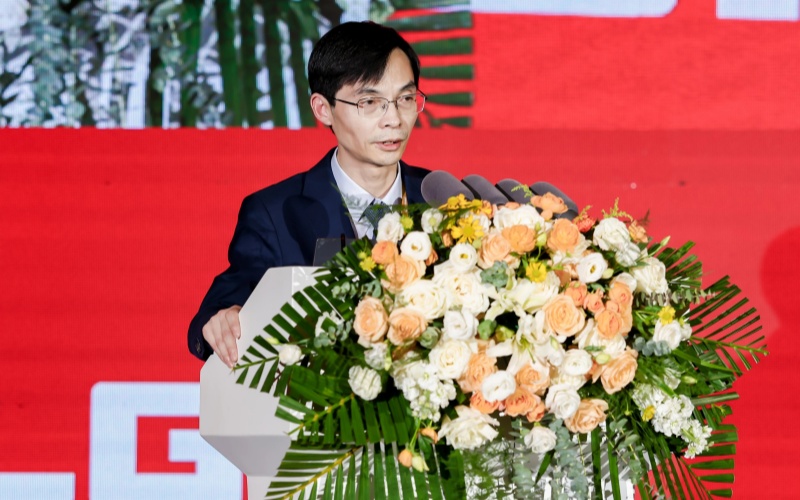
Ultra-Fast Charging for Demanding Mining Operations
According to the reported test results, the ultra-fast-charging mining truck can charge from 20% to 90% in just 23 minutes. Under extreme operating conditions, approximately 800 kWh of energy can be replenished in 18 minutes, with a reported peak charging rate of up to 1 kWh per second.
The dedicated thermal management system is designed to support stable operation across an ambient temperature range of -30°C to 50°C. These capabilities address key challenges associated with charging time and equipment availability in high-intensity mining transportation.
By combining the vehicle with appropriate charging infrastructure and energy management, the integrated approach aims to make electric mining trucks more practical for demanding, continuous-duty applications.
Supporting Lower Emissions and Operating Costs
The integrated solar-storage-charging approach described in the report aims to deliver benefits in both carbon reduction and operating costs.
Photovoltaic generation provides renewable electricity without direct operational carbon emissions. When combined with energy storage and electric mining trucks, it can help reduce emissions associated with mining operations and support green mine development objectives.
On the cost side, replacing diesel consumption with lower-cost renewable electricity can reduce energy expenses. Improved charging efficiency and vehicle availability may also help support higher production output and lower overall operating costs.
The actual results depend on local electricity prices, renewable energy availability, mine conditions, charging infrastructure and operating schedules.
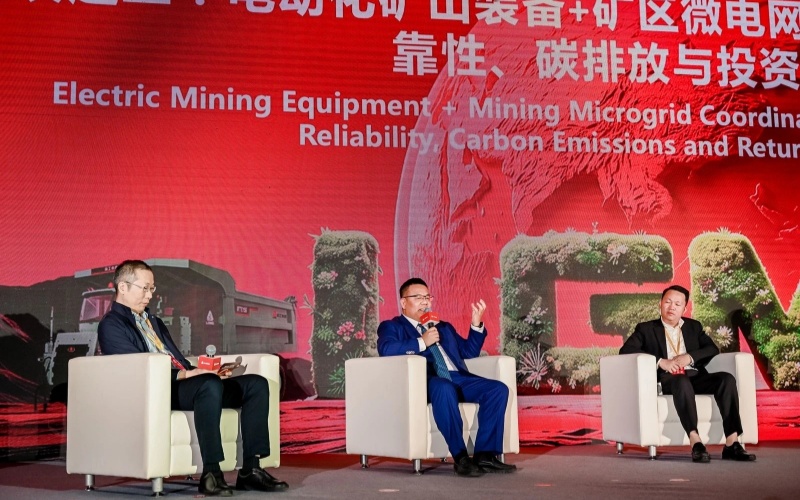
Supporting Customers' Transition to More Efficient Mining
As a distributor of LGMG equipment, our company follows developments in ultra-fast charging, electric mining trucks and integrated mining energy solutions. Understanding these technologies helps us better assess equipment options against customers' operating conditions and purchasing requirements.
The original report indicates that LGMG plans to continue developing ultra-fast-charging technology, improving battery energy efficiency and optimizing integrated solar-storage-charging microgrid solutions for demanding environments, including extreme cold, high temperatures and high altitudes.
For our company, continued attention to these developments supports more informed product selection and equipment discussions with overseas mining customers. We will continue to focus on customers' actual operational needs and provide relevant equipment options from the LGMG range we distribute.

 English
 Français
 العربية
 Español